The foods and drinks with the clearest effect on blood pressure are salt, alcohol and caffeine, which can raise it, and an eating pattern built on vegetables, fruit, beans, whole grains and low-fat dairy, which can lower it. Salt and that eating pattern change your usual level over weeks. Caffeine and alcohol can also shift a reading taken the same day.
That difference matters if you check your blood pressure at home. A coffee before a reading can make one number look high. A month of eating less salt can move your average. This guide covers both, with the amounts health bodies recommend and a simple way to see what happens in your own readings.
Quick reference
Foods and drinks that raise blood pressure
Salt
Salt is the big one. The World Health Organization says raised blood pressure is the main health effect of eating too much sodium, and recommends adults have less than 5 g of salt a day (under 2,000 mg of sodium). That is just under a teaspoon. The Heart Foundation gives the same 5 g limit and says the average Australian eats about 9 g.
Most of it is already in the food when you buy it. The Heart Foundation estimates 75 to 80% of the sodium we eat comes from processed and packaged foods. Bread, processed meats such as bacon, snack foods, soy sauce and stock cubes are all high. Cutting back on the salt shaker helps, but reading labels and cooking more meals from fresh ingredients usually helps more.
Alcohol
Alcohol has a two-step effect. A 2020 Cochrane review of trials (mostly in healthy men) found that a high dose, more than about three standard drinks, lowered systolic pressure by around 3 to 4 mmHg for up to 12 hours, then raised it by about 4 mmHg from 13 hours onwards. Heart rate went up in the first hours too.
Regularly drinking too much is also a risk factor for high blood pressure, according to the NHS. Australia's alcohol guidelines say healthy adults should drink no more than 10 standard drinks a week and no more than 4 on any one day. A standard drink is 10 g of alcohol, whatever the drink.
Caffeine
Coffee, tea, cola and energy drinks all contain caffeine. Healthdirect says that if you have high blood pressure, caffeine can increase it, and suggests speaking to your doctor for advice. For healthy adults, it puts the general limit at around 400 mg a day, roughly 4 instant coffees or 2 espressos.
The practical rule for home monitoring comes from the American Heart Association: don't drink caffeinated drinks, smoke or exercise in the 30 minutes before you take your blood pressure.
Foods that help lower blood pressure
Eat in the DASH pattern
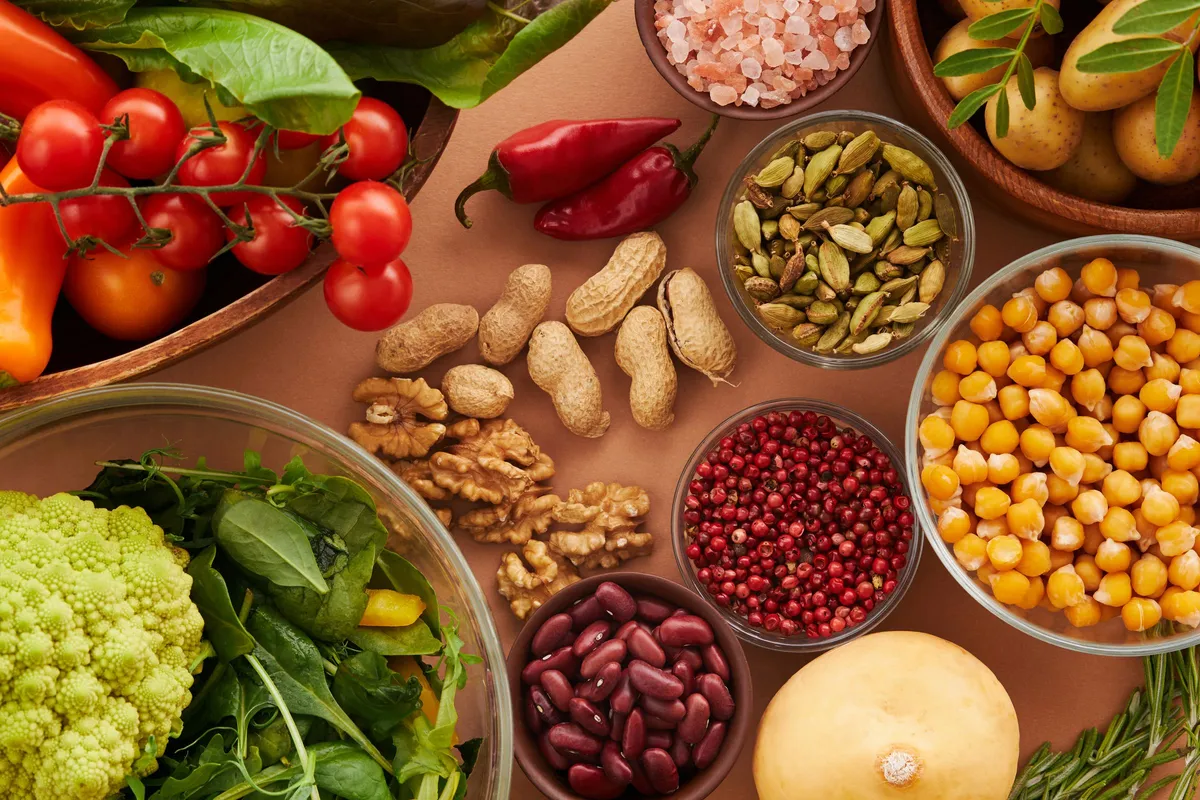
DASH (Dietary Approaches to Stop Hypertension) is an eating plan from the US National Heart, Lung, and Blood Institute, tested in clinical trials. It is built on vegetables, fruit and whole grains, plus low-fat dairy, fish, poultry, beans, nuts and vegetable oils. It limits foods high in saturated fat, sugary drinks and sweets.
In those trials, DASH lowered blood pressure, and DASH with less sodium lowered it more than either change on its own. The trials ran for one to two months, which is a useful guide to how long it takes to see a change.
Get more potassium from food
WHO links low potassium, like high sodium, to raised blood pressure, and recommends adults get at least 3,510 mg of potassium a day. Its examples of potassium-rich foods are beans and peas, nuts, vegetables such as spinach, cabbage and parsley, and fruit such as bananas, papayas and dates.
Salt substitutes often swap sodium for potassium. The Heart Foundation notes they are not suitable for everyone, especially people with kidney disease or those on certain medicines. Ask your doctor or pharmacist before you switch.
What about beetroot juice, garlic or hibiscus tea?
You will find long lists of single "blood pressure foods" online. The health bodies we checked for this article focus on the overall eating pattern, salt and alcohol, not on any one food. If you enjoy these foods, they can be part of a DASH-style diet. Don't use them in place of medicine you have been prescribed.
Food and blood pressure medicine
Some foods interact with medicines. The US Food and Drug Administration lists grapefruit juice as interacting with some blood pressure medicines, naming nifedipine (for example, Adalat). Not every blood pressure medicine is affected. Check the label or ask your pharmacist about yours.
Keep taking your medicine as prescribed while you change what you eat. If your readings come down, discuss it with your doctor before changing the dose.
How to see the effect in your own readings
Diet changes work slowly, and single readings jump around. A few habits make the pattern easier to see:
- Measure at the same times each day. Use the same home measurement routine so readings are comparable.
- Keep caffeine out of the 30 minutes before. Otherwise a morning coffee becomes part of every reading.
- Add a short note when something is different. "Two coffees", "drinks last night" or "salty takeaway" is enough. Our guide to keeping a blood pressure log covers what else to record.
- Compare weeks, not single readings. The blood pressure average calculator and a blood pressure graph show whether your usual level is moving.
- Take the record to your appointments. Your doctor can tell whether a change in the numbers matters for you.
CapyPulse keeps each reading with its time and note, so you can look back at what was going on when a number was higher or lower than usual. It records and organises your readings. It does not interpret them.
Start your CapyPulse diaryIf you have a very high reading with chest pain, severe breathlessness or signs of a stroke, call 000 (or your local emergency number) straight away. Food changes are long-term habits, not an emergency treatment.
Frequently asked questions
Does coffee raise blood pressure?
It can. Healthdirect says caffeine can increase blood pressure in people with high blood pressure. Avoid caffeinated drinks in the 30 minutes before you measure so a coffee doesn't skew the reading.
Does alcohol raise or lower blood pressure?
Both, at different times. In trials, a high dose lowered blood pressure for up to 12 hours and raised it after that. Regularly drinking too much is a risk factor for high blood pressure.
Does eating a meal raise blood pressure?
The home monitoring advice we checked doesn't list meals among the things to avoid before measuring; it lists caffeine, smoking and exercise. Measuring at the same times each day keeps meals from confusing the comparison.
What foods lower blood pressure quickly?
No food is a quick fix. In the DASH trials, the changes were measured after one to two months. If a reading is very high and you feel unwell, get medical help rather than trying a food remedy.
How much salt should I have a day?
Less than 5 g of salt (under 2,000 mg of sodium) a day for adults, according to WHO and the Heart Foundation. The average Australian eats almost double that.
Sources
- World Health Organization: Sodium reduction
- World Health Organization: WHO issues new guidance on dietary salt and potassium
- Heart Foundation: Salt and heart health
- National Heart, Lung, and Blood Institute: DASH eating plan
- National Heart, Lung, and Blood Institute: Health benefits of DASH
- NHS: High blood pressure
- NHMRC: Australian guidelines to reduce health risks from drinking alcohol
- Cochrane: Alcohol has a biphasic effect on blood pressure and increases heart rate
- Healthdirect: Caffeine
- American Heart Association: Home blood pressure monitoring
- US Food and Drug Administration: Grapefruit juice and some drugs don't mix
Sources last checked 23 November 2026. This article is general information, not a personal treatment plan.